

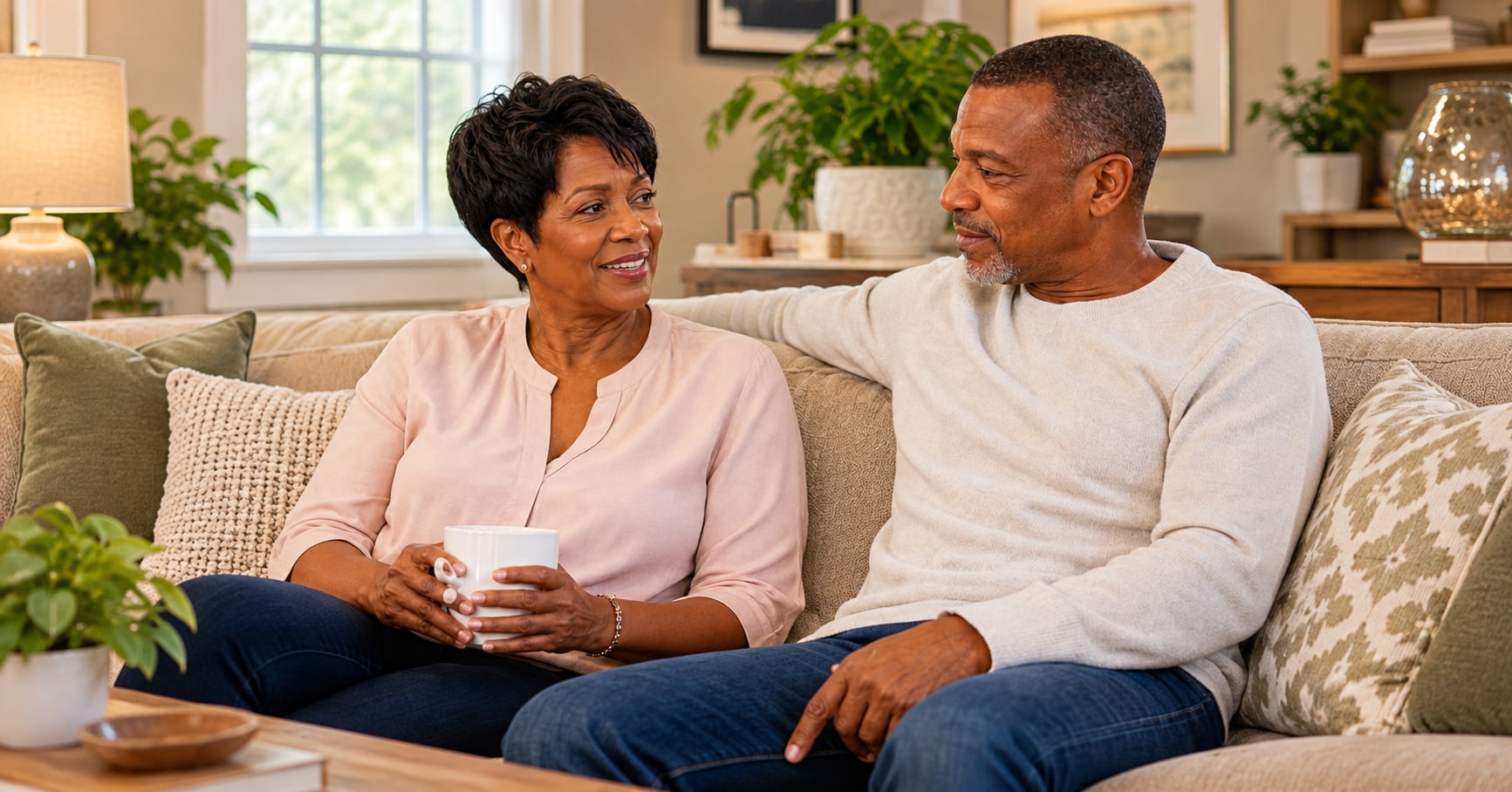
The spark can change without love disappearing
- Early novelty often feels more intense than familiar long-term connection.
- Compatibility becomes clearer when routines, stress and differences appear.
- Trust, communication, respect and repair are stronger long-term indicators than constant butterflies.
The honeymoon phase is not a complete myth. Early relationships often feel unusually exciting because everything is new: attention is focused, attraction feels intense, partners may idealize one another, and ordinary moments can feel emotionally charged. The myth begins when people assume that a healthy relationship should remain at exactly that level of intensity forever.
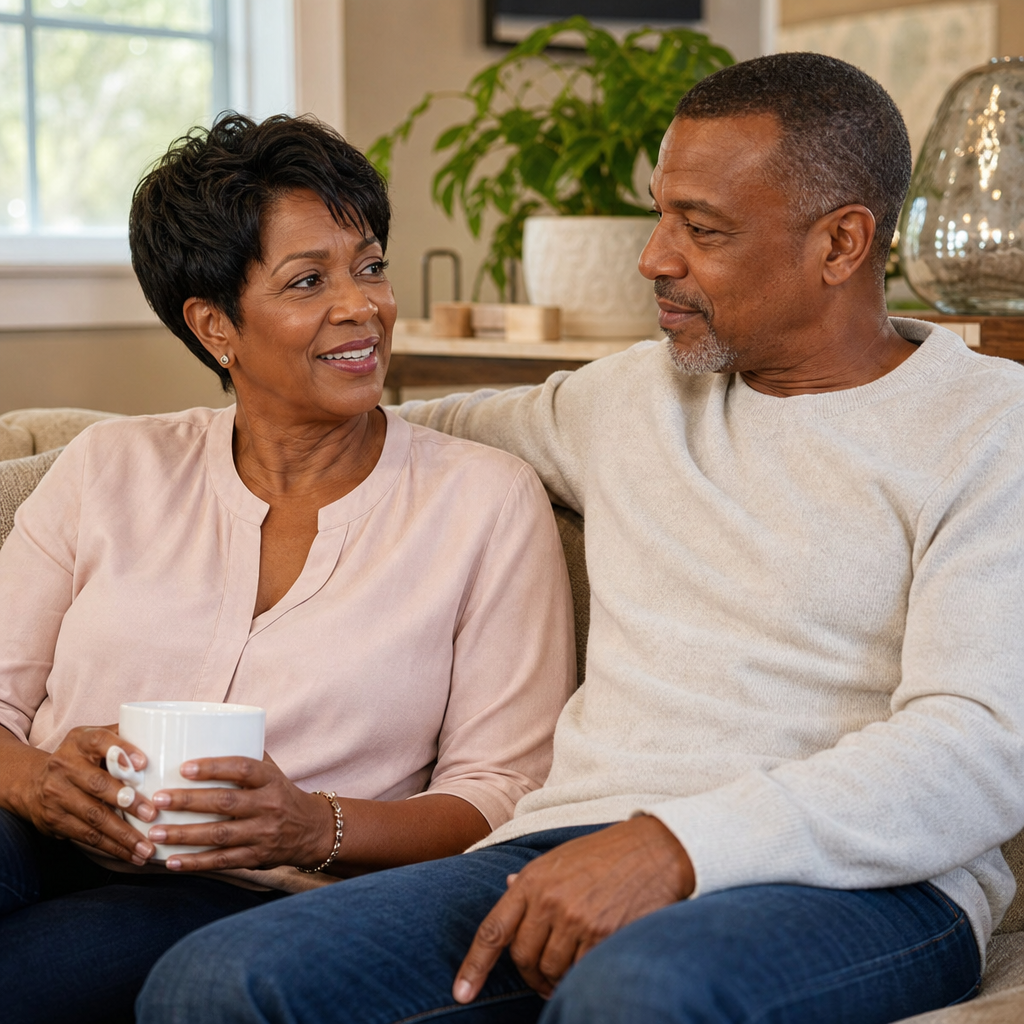
When the early rush becomes calmer, some couples worry that attraction has disappeared or that the relationship is failing. Often, what is changing is not love itself but the stage of the relationship. Long-term connection asks for different skills: communication, friendship, trust, shared values, emotional responsiveness, and the ability to handle everyday life together.
What the Honeymoon Phase Really Means
The phrase describes the early period when attraction, novelty, affection, and emotional focus can feel especially strong. Couples may think about each other constantly, communicate frequently, want to spend large amounts of time together, focus on positive qualities, and overlook habits or differences that become more noticeable later.
That early chemistry can be meaningful, but chemistry is not the same thing as compatibility. AllForLovers has a separate guide on why chemistry alone is not enough for a lasting relationship.
Why Early Love Can Feel So Intense
Romantic attraction involves attention, reward, motivation, bonding, expectations, and physical arousal. Popular explanations often reduce this experience to a short list of brain chemicals, but relationships are more complex than that. Biology is part of attraction, while personal history, attachment patterns, expectations, culture, personality, and the behavior of both partners also matter.
The important practical point is simple: novelty naturally changes with familiarity. A relationship does not need to reproduce the first months forever in order to be meaningful.
From Spark to Secure Connection
Key takeaways
- Chemistry matters, but it is not the same as compatibility.
- Routine can create security when partners still make room for affection and novelty.
- Contempt, coercion, chronic disrespect or fear should not be explained away as a normal relationship stage.
Why the Honeymoon Idea Can Create Unrealistic Expectations
Movies, social media, dating culture, and highly edited relationship content can make constant passion look like the standard. Real long-term relationships also contain work deadlines, financial decisions, illness, chores, family responsibilities, tiredness, disagreement, and days when neither person feels especially romantic.
If ordinary life is compared with someone else’s vacation photos, proposals, anniversary posts, or affectionate captions, a stable relationship can incorrectly start to look dull. The better comparison is not “Do we still feel the same as month one?” but “Do we still treat each other with respect, interest, honesty, and care?”
What Usually Becomes More Visible After the Early Stage
As couples become more comfortable, differences become harder to ignore. Communication styles, financial habits, emotional needs, boundaries, intimacy preferences, daily routines, conflict patterns, and long-term goals move into clearer view. This is useful information. It allows partners to discover whether attraction is supported by real compatibility.
Disagreement itself is not proof that a relationship is unhealthy. The way conflict is handled matters far more. See how healthy couples can disagree without making conflict destructive.
What Actually Supports Lasting Love
Long-term love tends to require repeated behaviors rather than one permanent emotional high. Useful foundations include listening, repairing after conflict, showing appreciation, sharing responsibilities, maintaining friendship, respecting boundaries, creating shared goals, and remaining curious about one another as life changes.
Communication is not a personality trait couples either have or lack; it is a skill that can be practiced. The site’s communication exercises for couples offer practical ways to strengthen that skill.
Small Daily Habits Matter
Connection is often maintained through ordinary moments: greeting one another warmly, checking in, listening without multitasking, expressing appreciation, sharing a meal, taking a walk, protecting a regular date night, or creating a bedtime ritual. These moments can look less dramatic than early romance, but consistency is often what makes a relationship feel emotionally safe.
Long-Term Intimacy Requires More Intention
At the beginning of a relationship, novelty does some of the work automatically. Later, partners may have to intentionally protect quality time, affection, sexual communication, emotional openness, and shared experiences. Effort does not mean the relationship is fake. It often means two people are choosing to maintain something that matters.
Not Every Healthy Relationship Starts With Fireworks
Some strong relationships grow slowly from friendship, mutual respect, comfort, shared experiences, and trust. An immediate overwhelming spark is not a requirement for compatibility. Likewise, intense chemistry is not proof that a relationship will be safe or stable.
Attachment Patterns Can Shape the Transition
People may experience changes in closeness differently. Someone who fears abandonment may become anxious when communication slows. Someone uncomfortable with dependence may pull away as intimacy deepens. These patterns can be useful to notice, but attachment labels should not be used to diagnose a partner or excuse harmful behavior.
When the Change Is More Than the End of a Honeymoon Phase
A calmer relationship is one thing; contempt, coercion, repeated deception, intimidation, chronic disrespect, or abuse are different. Do not explain harmful behavior away as a normal relationship stage. Persistent distress may benefit from qualified couples or individual counseling, and safety concerns deserve appropriate professional support.
A Better Question Than “Where Did the Spark Go?”
Ask whether you can be yourselves around each other, recover from disagreements, make decisions together, maintain affection, respect differences, and feel emotionally safe enough to be honest. The most sustainable relationships are not always the most dramatic. Often, they are the ones where both people keep choosing connection in ordinary life.
Frequently Asked Questions
1. Is the honeymoon phase real?
Yes, many couples experience an early period of heightened novelty, attraction, attention, and idealization, though its intensity and length vary widely.
2. Does the honeymoon phase always end?
The initial novelty usually changes, but affection, attraction, playfulness, and intimacy can continue in different forms.
3. Does less excitement mean I am falling out of love?
Not necessarily. Familiarity often feels calmer than early infatuation. Look at the overall quality of the relationship rather than intensity alone.
4. How long does the honeymoon phase last?
There is no universal timetable. Relationships develop at different rates, so fixed deadlines are not very useful.
5. Can a relationship be healthy without an intense honeymoon period?
Yes. Some strong relationships develop gradually through friendship, trust, comfort, attraction, and shared experience.
6. Is chemistry enough for lasting love?
No. Chemistry can matter, but communication, compatibility, respect, trust, boundaries, and shared goals also shape long-term stability.
7. Why do annoying habits become more noticeable later?
Early idealization and novelty can draw attention toward positive qualities. Familiarity gives partners a fuller view of everyday behavior.
8. Is arguing after the honeymoon phase normal?
Disagreements are common. What matters is whether conflict remains respectful, safe, and capable of repair.
9. How can couples keep romance alive?
Protect quality time, express appreciation, stay curious, maintain affection, communicate about intimacy, and create new shared experiences.
10. Do routines make relationships boring?
Not automatically. Predictable rituals can build security and closeness, while occasional novelty can keep shared life interesting.
11. Can social media create unrealistic expectations?
Yes. Comparing ordinary private life with curated public highlights can distort expectations about what a healthy relationship should look like.
12. What matters more than butterflies?
Respect, emotional safety, trust, compatible values, friendship, communication, accountability, and consistent care are strong long-term foundations.
13. Can attachment patterns affect the honeymoon phase?
They may influence how people respond to closeness, distance, reassurance, and conflict, but attachment labels do not fully define a person.
14. When should a couple consider counseling?
Qualified counseling may help when recurring conflict, disconnection, intimacy problems, or communication difficulties are hard to resolve alone.
15. What is the healthiest way to think about the honeymoon phase?
Enjoy the early excitement without treating it as the only valid form of love. Let the relationship reveal whether deeper compatibility develops over time.